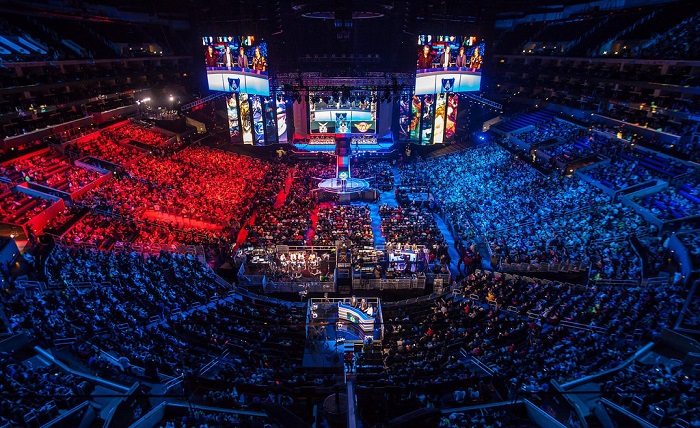
Online betting has grown from a row of fixed odds on weekend matches into a full digital playground. Classic sports books now sit alongside fantasy contests, skill-based mobile games, and packed eSports schedules that run all week. For players, that means more ways to compete and more ways to spend. For operators, it means a constant search for formats that feel more like games and less like static coupons. The line between “game”, “eSport”, and “bet” is getting thinner every year. This shift brings real upside – deeper engagement, richer products – but also new questions about fairness, risk, and regulation. The sections that follow unpack how eSports and skill titles are folding into betting, and what that means for players, studios, platforms, and regulators.
From Pure Chance to Skill-Heavy Play: How the Betting Landscape Is Shifting
For decades, most real-money products were built on chance. You picked a line, placed a stake, and waited. Today the market looks very different. Fixed coupons still exist, but they sit next to live markets, fantasy leagues, and head-to-head skill tournaments. Real-money fantasy contests, aim-based mobile games, and live widgets that sit beside a score hub you might open here all pull the space toward interaction rather than pure prediction.
In a classic gambling product, the player’s decisions barely change the math. In a skill-based environment, choices matter: when to push, when to play safe, how to learn from past sessions. That creates something closer to a “career arc” than a one-off ticket. Players gravitate to these formats because they feel more in control and can see improvement over time. Operators like them because they resonate with a younger audience raised on competitive mobile games and eSports streams, not just traditional betting slips.
Where eSports, Skill Games and Betting Actually Meet
The overlap between eSports, skill games, and betting is no longer theory – it is already visible on real products.
On one side you have eSports as a full betting vertical. Top leagues in shooters, MOBAs, and sports sims now carry match markets, map and round markets, first-kill or first-objective bets, handicap lines, and more. To a bettor, a big eSports fixture looks a lot like a high-profile football or cricket match – just with a different rulebook.
Next are skill-based tournaments. Here players pay an entry fee to compete in racing, arcade, card, or aim-based games for a prize pool. The key difference from classic RNG gambling is that the outcome depends mostly on reaction time, strategy, or accuracy, not on a random spin.
Then come hybrid models. Some platforms run in-game tournaments with entry fees and prizes, while partner sportsbooks post official lines on the same events. Others link fantasy-style drafts to eSports matches, blurring the line between game and bet even further.
For the player, the experience starts to feel like a blended career mode: there are rankings, matchmaking, stat histories, and visible progress layered on top of bankroll decisions. You are not just “placing a bet”; you are managing your skill, your time, and your risk inside a connected ecosystem.
Platforms, Overlays and Live Hubs: How UX Brings It All Together
This convergence only works if the user experience holds it together on a single screen.
Modern platforms try to stack everything in one place: live video or embedded streams, real-time odds, in-game stats, chat, and event info. A typical layout might show the main broadcast, with a slim panel of interactive markets on the side, hero or team cards you can tap, and subtle hints about what is happening next.
For many users, a lightweight live hub – the kind of ball-by-ball cricket page you might open here to track a match – is the first step toward a more integrated environment where data, odds, and gameplay live together.
Overlays do a lot of the heavy lifting. Score strips, mini-maps, kill feeds, heatmaps, and possession charts make eSports and skill games readable at a glance, even for someone new. If that layer is clear, betting markets based on those events feel less abstract and more grounded in what people actually see.
Risk, Regulation and Fair Play in a Skill-Driven Future
As more “skill” gets mixed into real-money products, the questions get sharper, not softer.
Regulators still wrestle with the gray area between skill games and gambling. Two products can look almost identical – entry fee in, prize pool out – and yet be classified differently depending on how much influence the player has over the result and how the rules are written.
Monetization has to be handled carefully. It is easy to stack entry fees, in-game purchases, and side bets until the experience feels less like competition and more like a money funnel. Limits, cool-off tools, and honest information about risk and expected returns are part of the long-term game, not a cosmetic extra.
A few key questions will shape where the industry goes next:
- How clearly do platforms separate under-18 and adult experiences?
- How open are they about odds, payout structures, and win rates?
- How strong are their systems against bots, scripts, and cheats?
- How quickly can they respond when rules or laws change?
- How much control do players have over time and spending limits?
The operators that answer these questions well will attract not just players, but also more serious, long-term capital.
What This Convergence Means for Players, Creators and Operators
For players, the upside is obvious: more ways to compete, more formats where skill really matters, and products that feel closer to the games they already love. The hidden risk is overconfidence – “because it’s based on skill, I can always earn it back” – which can quietly push people into overplay if they are not careful about limits.
For creators and game studios, there is a new demand for titles that work in two layers at once: fun as pure games, and robust enough to support tournaments, ladders, or betting markets. That means clear rules, rich data feeds, and designs that can be read easily on small screens.
For operators, the role shifts from classic bookmaker to entertainment platform. Live content, community features, analytics, and wagering all sit in one product. The brands that stand out will be the ones that can combine excitement, skill, and responsible design so that people come back for the experience itself – not just for the possibility of a payout.
The fusion of skill games, eSports, and betting is not a passing fad. It is a new layer of the industry. The long-term winners will be those who remember that the most valuable asset is not the next feature, but a player base that feels challenged, respected, and safe enough to return tomorrow.