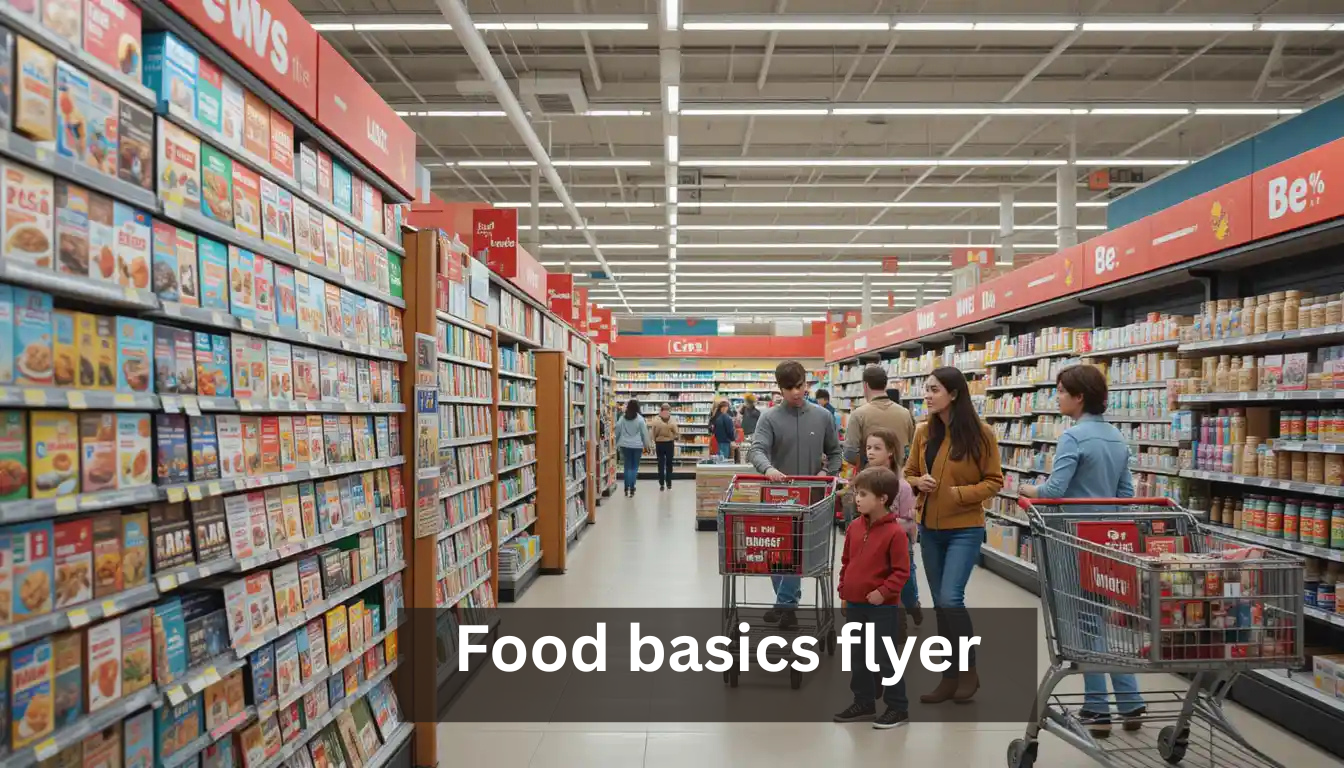
In today’s fast-paced world, grocery shopping has become more than just picking up essentials – it’s about finding the best deals, maximizing your budget, and making informed purchasing decisions. The Food Basics flyer serves as your gateway to incredible savings and smart shopping strategies that can transform your weekly grocery routine. Whether you’re a busy professional, a budget-conscious family, or someone who loves finding great deals, understanding how to effectively use the Food Basics flyer can lead to significant savings throughout the year.
Understanding the Food Basics Flyer System
The Food Basics flyer operates on a weekly cycle, typically running from Thursday to Wednesday, providing customers with fresh deals and promotions every seven days. This strategic timing allows shoppers to plan their grocery trips around the most attractive offers while ensuring they never miss out on limited-time deals. The flyer format has evolved from traditional paper circulars to digital platforms, making it more accessible and environmentally friendly.
Food Basics has established itself as a prominent grocery retailer in Canada, particularly in Ontario, where the majority of their stores are located. The company’s approach to weekly promotions through their flyer system reflects their commitment to providing value-driven shopping experiences for Canadian families. Each Food Basics flyer is carefully curated to include a diverse range of products, from fresh produce and meat to pantry staples and household essentials.
Weekly Flyer Schedule and Planning
The predictable schedule of the Food Basics flyer allows savvy shoppers to develop effective meal planning and shopping strategies. By knowing that new deals become available every Thursday, customers can align their shopping trips with the freshest promotions. This system also enables shoppers to compare prices across multiple weeks, helping them identify seasonal trends and the best times to stock up on specific items.
Smart shoppers often keep track of multiple weeks’ worth of flyers to identify patterns in pricing and promotions. This approach helps them predict when certain items might go on sale again and plan their purchases accordingly. The weekly rotation of the Food Basics flyer ensures that different product categories are featured prominently throughout the month, giving customers opportunities to save on various types of groceries.
Categories Featured in Food Basics Flyers
Fresh Produce and Meat Deals
One of the most attractive aspects of any Food Basics flyer is the fresh produce and meat section. These categories often feature some of the most significant discounts, with savings that can reach 40-50% off regular prices. Fresh chicken drumsticks and thighs frequently appear in flyers at competitive prices, sometimes as low as $1.88 per pound, making it an excellent opportunity for families to stock up on protein.
The produce section of the Food Basics flyer typically showcases seasonal fruits and vegetables at reduced prices. This not only helps customers save money but also encourages them to incorporate fresh, seasonal produce into their diets. The rotating nature of produce deals means that different fruits and vegetables are highlighted throughout the year, coinciding with their peak harvest seasons.
Dairy and Refrigerated Products
Dairy products represent another significant category within the Food Basics flyer, with regular promotions on essential items like milk, cheese, yogurt, and eggs. Specialty items such as Tre Stelle Halloumi or Paneer often appear at promotional prices around $3.88 each, providing opportunities to explore different culinary options without breaking the budget.
The refrigerated section frequently features yogurt promotions, with brands like Astro Original, BioBest, and iögo appearing regularly at discounted prices. These deals typically offer multi-pack options or larger containers at reduced per-unit costs, encouraging customers to stock up on healthy snack options for their families.
Pantry Staples and Packaged Goods
The pantry section of the Food Basics flyer consistently offers deals on essential household items that form the foundation of most Canadian families’ grocery shopping. General Mills Family Size Cereals, including popular varieties like Cinnamon Toast Crunch and Cheerios, regularly appear at promotional prices around $4.98 per box.
Bread and bakery items also feature prominently in flyer promotions, with brands like Villaggio offering their Bagels Classico, Sesame varieties, and Toscana bread at reduced prices. These staple items help families maintain their weekly grocery routines while achieving meaningful savings.
Digital Transformation of Food Basics Flyers
Online Accessibility and Convenience
The digital evolution of the Food Basics flyer has revolutionized how customers access and interact with weekly promotions. Multiple websites and platforms now aggregate Food Basics flyers, making them accessible from computers, tablets, and smartphones. This digital transformation has eliminated the need to wait for paper flyers to arrive in the mail or to pick them up at store entrances.
Online flyer platforms often provide additional features that enhance the shopping experience, such as the ability to create digital shopping lists, compare prices across different weeks, and set reminders for when favorite items go on sale. These technological improvements have made the Food Basics flyer more interactive and user-friendly than ever before.
Mobile Apps and Shopping Integration
The integration of the Food Basics flyer into mobile applications has created new opportunities for on-the-go shopping planning. Customers can browse current and upcoming deals while commuting, during lunch breaks, or while relaxing at home. This accessibility ensures that shoppers never miss out on great deals simply because they weren’t near a computer or physical flyer.
Some platforms allow users to clip digital coupons directly from the Food Basics flyer, automatically applying discounts at checkout when they shop online or scan their phones at physical store locations. This seamless integration between digital flyers and the actual shopping experience has streamlined the entire process of finding and redeeming deals.
Maximizing Savings with Strategic Shopping
Timing Your Shopping Trips
Understanding the optimal timing for shopping based on the Food Basics flyer can lead to substantial savings over time. Shopping early in the weekly cycle (Thursday through Saturday) often ensures better product availability, while shopping later in the week (Monday through Wednesday) might reveal additional markdowns on items that didn’t sell as quickly as expected.
Many experienced shoppers recommend reviewing the Food Basics flyer immediately when it becomes available on Thursday, allowing time to plan meals around the available deals. This proactive approach enables better meal planning and reduces the likelihood of making impulse purchases that don’t align with the week’s best promotions.
Price Tracking and Comparison
Keeping track of prices featured in the Food Basics flyer over several weeks can reveal patterns and help identify the best deals. Many items follow cyclical pricing patterns, going on sale approximately every 6-8 weeks. By tracking these patterns, shoppers can predict when their favorite items will be discounted and plan their purchases accordingly.
Creating a simple spreadsheet or using smartphone apps to track prices from the Food Basics flyer can help families optimize their grocery budgets. This systematic approach to price tracking transforms casual shopping into strategic purchasing that maximizes household savings.
Store Location and Regional Variations
Geographic Distribution of Food Basics Stores
Food Basics primarily operates in Ontario, Canada, with concentrations in urban and suburban areas throughout the province. The Food Basics flyer content may vary slightly between different regions to reflect local preferences, seasonal availability, and competitive pricing strategies specific to each market area.
Understanding which Food Basics locations are accessible in your area helps determine whether the deals featured in the flyer are available at your preferred shopping location. Some promotions might be limited to specific store formats or regions, making it important to verify availability before making special trips for particular deals.
Community Integration and Local Partnerships
Many Food Basics locations work with local suppliers and producers, which can influence the content of their weekly flyers. The Food Basics flyer occasionally features products from regional suppliers, supporting local businesses while providing customers with fresh, locally-sourced options at competitive prices.
This community-focused approach means that the Food Basics flyer serves not only as a tool for savings but also as a way to discover local products and support regional economic development. Customers benefit from competitive pricing while contributing to their local food ecosystem.
Seasonal Shopping Strategies
Holiday and Special Event Promotions
Throughout the year, the Food Basics flyer features special promotions aligned with holidays, seasonal events, and Canadian celebrations. These themed promotions often provide deeper discounts on specific product categories relevant to the season or occasion.
Back-to-school periods typically see promotions on lunch-making essentials and breakfast items, while summer months might feature barbecue-related products and seasonal produce. Understanding these seasonal patterns helps families plan their shopping and take advantage of the best deals when they need specific items most.
Bulk Buying and Storage Considerations
The Food Basics flyer occasionally features bulk-buying opportunities with significant per-unit savings. These deals work best for non-perishable items or products that can be properly frozen or stored. Families with adequate storage space can take advantage of these promotions to reduce their grocery costs over extended periods.
When considering bulk purchases featured in the Food Basics flyer, it’s important to calculate the actual savings, consider storage requirements, and ensure that the family will realistically consume the products before they expire. Strategic bulk buying can lead to substantial savings, but it requires careful planning and realistic assessment of consumption patterns.
Conclusion
The Food Basics flyer represents far more than a simple collection of weekly grocery deals – it’s a comprehensive tool for smart shopping that can significantly impact household budgets when used effectively. By understanding the flyer system, timing shopping trips strategically, and taking advantage of digital innovations, Canadian families can maximize their grocery savings while maintaining the quality and variety of their weekly food purchases.
Success with the Food Basics flyer comes from consistent engagement, strategic planning, and willingness to adapt shopping habits based on available promotions. Whether you’re looking to save money, try new products, or simply make your grocery shopping more efficient, the weekly flyer provides opportunities to achieve these goals while supporting a retailer committed to value-driven shopping experiences for Canadian communities.